


Ultimate Football Manager 27
4.4150.00 Reviews
App Specs
- Version
- 27.0.0
- Updated On
- License
- Free
- Downloads
- 5,000,000+
- Developer
- Gamebasics BV
- Categories
- Sports
- Platform
- Android, iOS
Screenshots

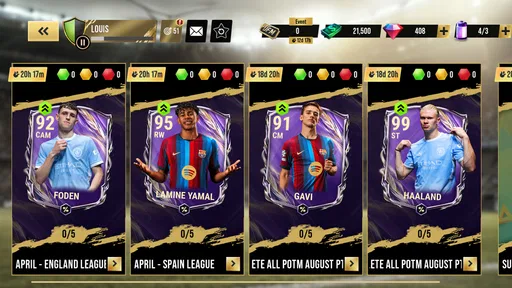
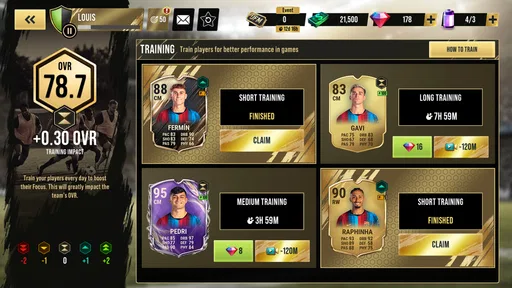
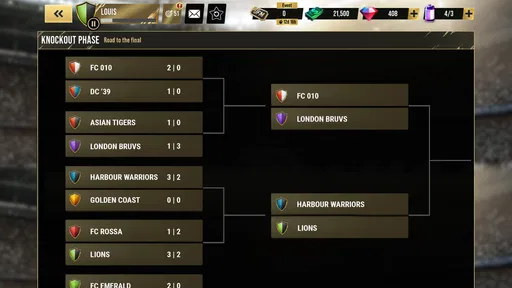
 Analysis by AppCompare
I approached Ultimate Football Manager as a first-time player looking for a football game where decisions matter more than quick reflexes. It is a mobile sports management game from Gamebasics BV, and its appeal is the chance to shape a club through choices about the squad and tactics. The game is free to start, though optional in-app purchases range from $0.49 to $99.99 per item, so I would go in prepared to distinguish between enjoying the management and spending on extras.
What to expect from a management game
This is a better fit for someone who enjoys thinking about football between matches than for someone mainly seeking direct control of players on the pitch. The fun comes from weighing options, setting a plan, and seeing how it holds up. If you usually play action-focused football games, the slower, managerial rhythm may feel less immediate; if you like building a team over time, it gives you a different kind of involvement.
The practical question is how much time it asks for. I would treat it as a game to check in on when I have a few minutes, rather than one that needs a long uninterrupted session. That makes it easier to fit around a commute or a quiet break, while still giving each decision room to matter. It is not a substitute for a full console-style match experience, but it can suit someone who likes the planning side of football.
The game has an Everyone age rating, a 4.4 average from around 19,000 ratings, and over 1 million installs. Those figures suggest it has found an audience, but they do not tell me whether its particular pace will suit you. I would decide based on whether managing a club sounds enjoyable even when a match is not being played directly by you.
Starting out and finding a useful rhythm
I’d use this section to set a comfortable pace for your first sessions: learn where the main squad and tactical choices live, then make one decision you can explain rather than changing everything at once. That gives you a clearer way to judge what is helping as you return, and makes the first stretch feel manageable instead of like a test of football expertise.
First setup: focus on choices you can revisit
When you begin, resist the urge to treat every early choice as a permanent declaration of your football identity. Pick a club name and kit you like, then pay closer attention to the decisions that affect how you approach the squad. For a newcomer, the useful goal is not to build a perfect team immediately; it is to learn where the game puts its important information and how one decision connects to the next.
As you move through the opening guidance, pause when player details or tactical options appear. Instead of tapping through just to reach a match, take a moment to compare what the game shows you. A simple habit—checking a player's strengths before deciding where they fit—can make later choices feel less like guesswork. I find that more reassuring than trying to understand every management screen at once.
Worth Reading Before You Choose

Flipboard Shows What News Apps Must Do Beyond the Feed

Switching to Android Auto Means Rethinking Your Driving Routine

Google Calendar Makes a Crowded Week Easier to Manage

Ludo King Makes the Most of the Minutes Between Plans

Baby Panda World Brings Quick Play to Modern Phones, but Its Game Library Feels Busy

ESPN’s Live Game View Makes Following Close Games Easier
The game is listed as version 26.14.0 and requires iOS 11 or later. If you are installing it on an older device, check that your operating system meets that requirement before you plan to start a club. It is also worth remembering that free access does not mean every optional purchase is necessary: I would first learn the basic loop and only consider spending if I can identify a specific benefit I actually want.
Your first meaningful success: make one decision with a reason
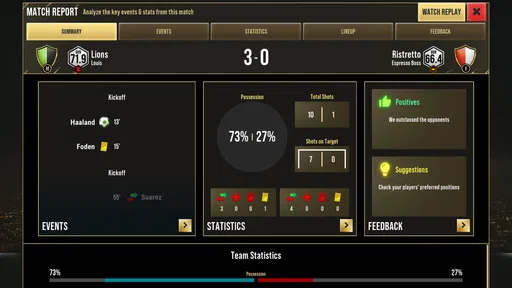
A satisfying early win is not necessarily a trophy. It can be as small as looking at the squad, spotting a role where a player’s strengths make sense, and choosing a tactic that reflects the team you have rather than an imaginary perfect lineup. Then, after the match, compare the result with your expectation. That short cycle—inspect, choose, observe—is a more useful start than changing several things at once and not knowing what helped.
For example, if you have a few minutes before heading out, you can review the players available, make one considered adjustment, and leave the match outcome as feedback for your next visit. The key is to avoid making a string of unrelated changes after one disappointing result. A single match can be noisy; a pattern across several decisions gives you a clearer basis for adapting. This is a practical way to learn without turning the game into homework.
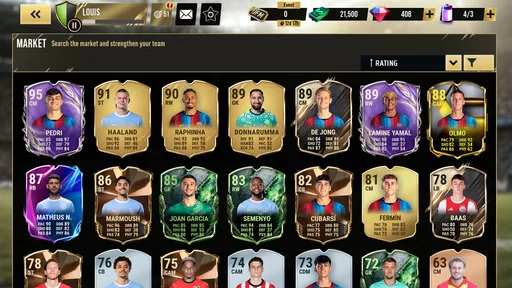
When the transfer market becomes part of your routine, give yourself a simple rule before you act: decide what kind of player would solve a real squad need, then compare candidates against that need. It is tempting to chase the most exciting option, but a signing that does not fit your plan can create more questions than it answers. Keeping some resources available also gives you flexibility if a more pressing need appears later.
Common confusion: tactics, transfers, and match outcomes
One easy misunderstanding is to assume that a tactical change should produce an instant, obvious improvement. A match result reflects several choices and circumstances, so I would avoid judging a whole approach on one scoreline. Change one part of the plan, watch what happens, and keep notes mentally or in a simple reminder if you are returning after a gap. This makes the cause and effect easier to understand.
Player statistics can also be distracting when you are new. More information does not automatically mean more certainty. I would focus on the few details that relate directly to the role I need to fill, rather than trying to optimize every player at once. This is especially useful when deciding between a transfer and making better use of someone already in the squad: a new signing is exciting, but it is not always the clearest solution.
Match presentation may encourage you to react to every swing in momentum, but frequent tactical switches can make it harder to tell whether your original idea had merit. I prefer to make an adjustment only when I can explain what problem it is meant to address. That small discipline makes match days feel more strategic and less like tapping buttons in response to every anxious moment.
Who will enjoy it—and who may prefer another option
I would recommend it to football fans who like squad building, tactical choices, and the long view of running a club. It can also work for a casual player who wants a sports game that can be approached in short visits, provided they are happy with management decisions rather than hands-on control of every moment. The club-customization start gives you a personal stake before you have learned the deeper parts of the game.
I would steer away if you want a fast arcade match, realistic direct control, or a game that explains every consequence in detail before you make a choice. Likewise, if you dislike optional purchases appearing in free-to-play games, decide in advance that you will play without spending, or choose a paid game with a purchase model you prefer. The presence of in-app purchases does not mean you need to buy them, but it is sensible to set your own boundary.
Compared with the usual alternatives, this sits on the management side of mobile football: it is about building and guiding a team, rather than simply playing a match or collecting football-themed challenges. A dedicated action football game is a better pick when you want immediate control; a deeper desktop manager may suit players who want a denser simulation and are willing to spend longer at a screen. This one makes more sense when you want club decisions in a mobile format.
Making progress without overcomplicating the season
Once the opening steps feel familiar, set a small objective for each visit. You might review one area of the squad, prepare a tactical adjustment, or decide whether a transfer is worth pursuing. A narrow objective keeps the menus purposeful and helps you remember why you made a choice when you return. It also prevents the common beginner habit of tinkering everywhere simply because every option looks important.
For a realistic everyday routine, imagine opening the game during a lunch break. Check how the team is set up, decide whether there is one clear issue to address, and avoid spending the whole break chasing a perfect lineup. Later, when you have more time, you can look at the result and decide whether your adjustment deserves to stay. That approach makes the game feel like a series of manageable decisions rather than a demand for constant attention.
It is also worth separating short-term results from the longer project of developing a club. A loss can be frustrating, but it does not automatically mean the squad needs an overhaul. Before moving on a player or changing several tactics, ask whether the underlying problem is recurring. Patience is a genuine managerial skill here: it can save you from spending resources or undoing a plan before you have learned what it can do.
There is a trade-off between experimenting and maintaining consistency. Trying different tactics can teach you what suits your squad, but changing the plan after every setback removes the chance to see a pattern. I would experiment deliberately—one adjustment at a time, with a clear reason—then give that choice enough matches to judge. This is a particularly helpful habit for players who enjoy statistics but can get caught in endless optimization.
Final thoughts on whether to install
The game is free, rated for Everyone, and made by Gamebasics BV. It has around 100 written reviews alongside its much larger rating total, so I would use the broad audience figures as context rather than as a promise that every feature will suit my taste. What matters more is whether I want a football game built around managing a club, and whether I am comfortable with optional purchases being part of the experience.
For me, the best reason to try it is the clear path from customizing a team to making choices and learning from their results. The best reason to skip it is just as clear: if I want to control players directly or dislike a slower management loop, another style of football game will be more satisfying. If you are curious, start with the free experience, take the opening decisions slowly, and set a spending limit before you encounter anything you might be tempted to buy.
First Impressions Matter
When I first downloaded the game, I was immediately struck by how sleek and user-friendly the interface was. It’s clear that the developers put a lot of thought into making sure the game is accessible for both seasoned gamers and newbies alike. The vibrant graphics and smooth animations give a real sense of immersion, which is crucial for a game that aims to simulate the highs and lows of football management.
Getting Started: The Basics
Once you dive in, you start by creating your team. You get to pick everything from the club’s name to the color of the kit. It’s like being a kid in a candy store, but instead of candy, you have a whole football team to build from scratch!
The tutorial does a great job of walking you through the initial setup, ensuring you're not left scratching your head. It’s concise, engaging, and gets you right into the action without unnecessary delays. This is a game that respects your time, and I love that.
Managing Your Squad
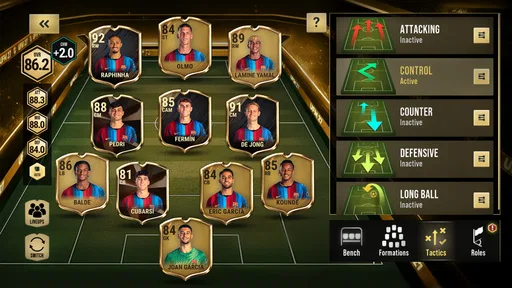
Now onto the meat of the game: managing your team. You have to make all the crucial decisions—transfers, tactics, training regimes. It’s all in your hands. One of my favorite features is the detailed player statistics. You can really geek out over each player's strengths and weaknesses, which adds a layer of strategy that keeps things interesting.
The transfer market is another exciting aspect. It’s a bit like a high-stakes poker game where you have to weigh up the odds and decide whether to splash the cash or save it for a rainy day. And trust me, those rainy days come when you least expect them!
Match Day Excitement
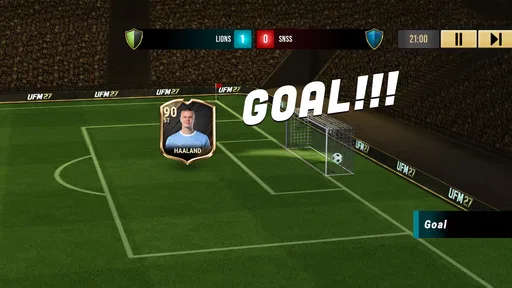
When game day arrives, that’s when your managerial skills are truly put to the test. The matches are simulated in real-time, and you can make tactical adjustments on the fly. It’s exhilarating to see your strategies play out on the field, and nothing beats the thrill of watching your team score a last-minute winner.
The commentary is another nice touch. It adds an extra layer of excitement and makes you feel like you’re right there in the stadium, cheering your team on. The attention to detail here is commendable.
Building Your Legacy
As you progress, you’ll find yourself getting more and more attached to your team. Every decision feels significant, whether it’s nurturing a young star or deciding to let a veteran player go. The game does a fantastic job of making each season feel unique, with different challenges and opportunities to tackle.
Plus, there are various achievements and milestones to aim for, which add an element of long-term strategy. It’s not just about winning matches; it’s about building a legacy. And isn’t that what football is all about?
Wrapping It Up
So, is Ultimate Football Manager worth your time? In my opinion, absolutely. It's a game that captures the essence of football management with a perfect balance of challenge and fun. Whether you’re a hardcore football fan or just someone looking for an engaging mobile game, this is definitely worth checking out.
And the best part? You can download it right now and start your journey to football glory. So what are you waiting for? Get out there and show the world what you’re made of!
Pros
- Intuitive user interface for easy navigation.
- Extensive player database with realistic stats.
- Dynamic match simulation for immersive gameplay.
- Customizable team strategies and formations.
- Regular updates with new features and content.
Cons
- In-app purchases can become expensive.
- Requires internet connection for most features.
- Occasional lag during live match simulations.
- Complex tactics may overwhelm new players.
- Limited offline gameplay options available.
FAQs for Ultimate Football Manager 27
What platforms is Ultimate Football Manager available on?
Ultimate Football Manager is available for both Android and iOS devices. You can download it from the Google Play Store for Android or the App Store for iOS. Ensure your device meets the minimum system requirements for a smooth gaming experience.
Does Ultimate Football Manager require an internet connection to play?
While Ultimate Football Manager can be played offline, certain features like live updates, online competitions, and multiplayer modes require an internet connection. To fully enjoy all aspects of the game, it's recommended to have a stable internet connection.
Are there in-app purchases in Ultimate Football Manager?
Yes, Ultimate Football Manager offers in-app purchases. These purchases can enhance gameplay by unlocking premium features, removing ads, or accelerating progress. However, the game is fully playable without spending real money, and careful management can lead to success without purchases.
How often does Ultimate Football Manager receive updates?
The developers of Ultimate Football Manager are committed to providing a dynamic gaming experience with regular updates. These updates may include new features, bug fixes, and seasonal events. It's advisable to enable automatic updates to ensure you always have the latest version.
Can I play Ultimate Football Manager across multiple devices?
Ultimate Football Manager supports cross-device play through cloud saving. By linking your game to an account, you can sync your progress across multiple devices. This feature ensures that you can continue your managerial journey seamlessly, whether you're on a smartphone or a tablet.


